Healthy Environment, Healthy Communities
Restoring Watersheds through Community Driven Remediation Projects

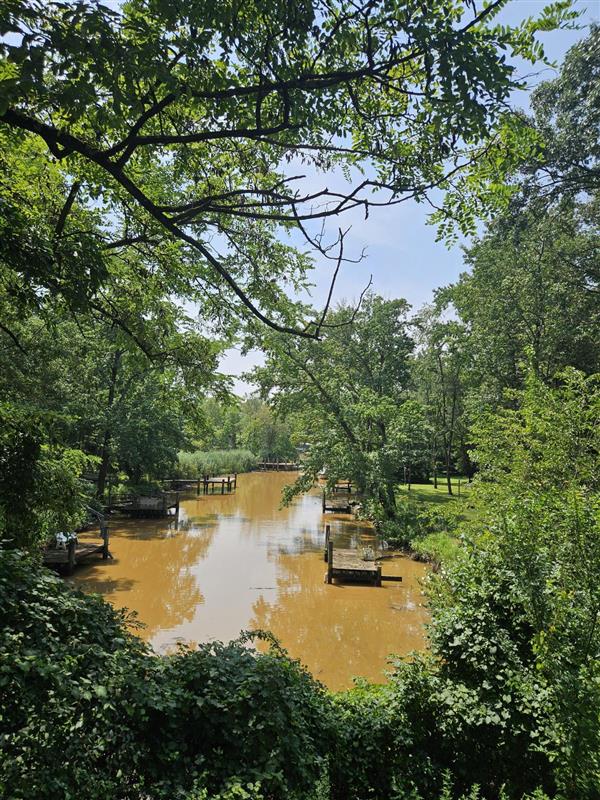
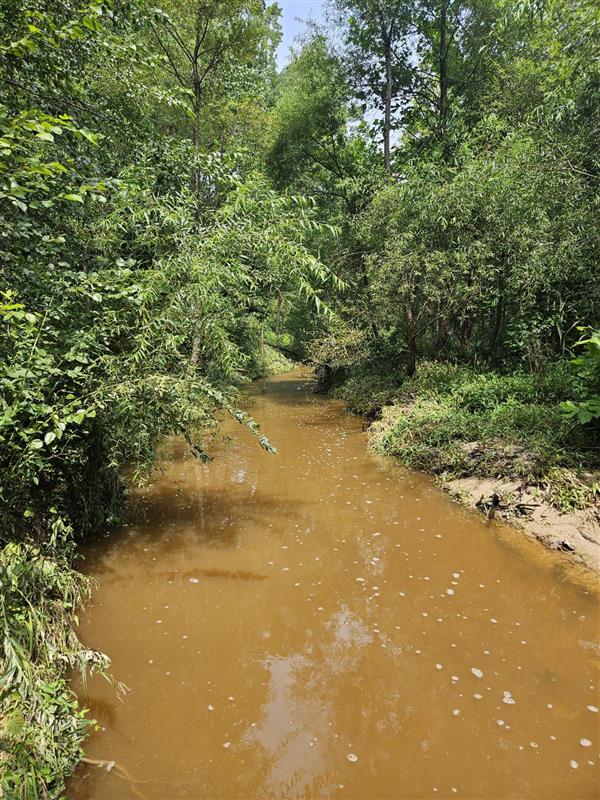
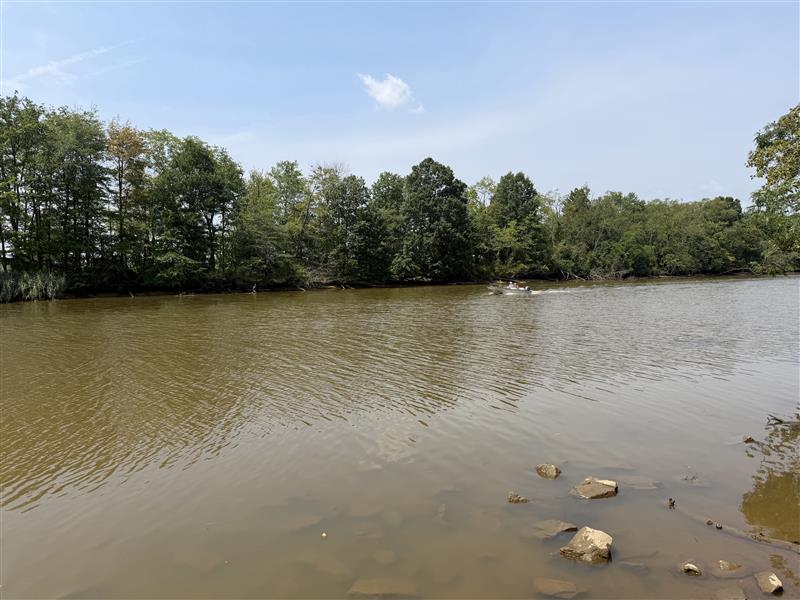
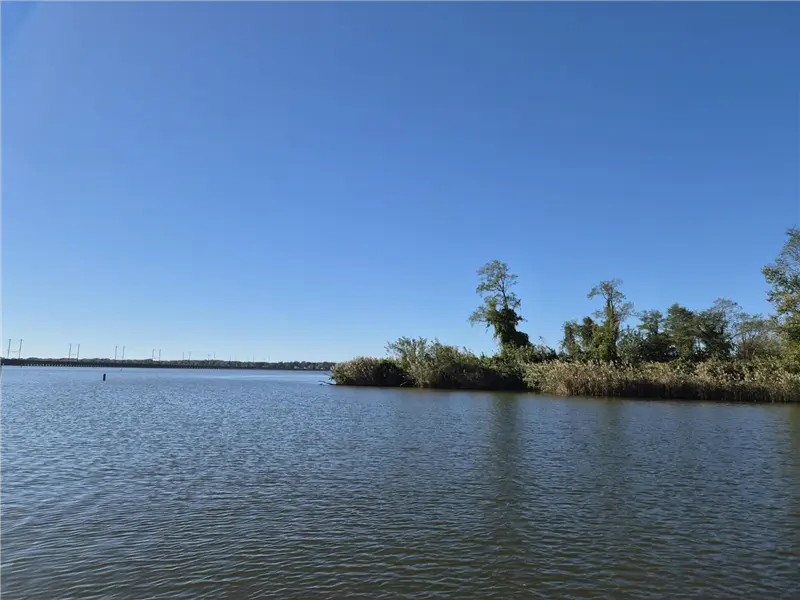
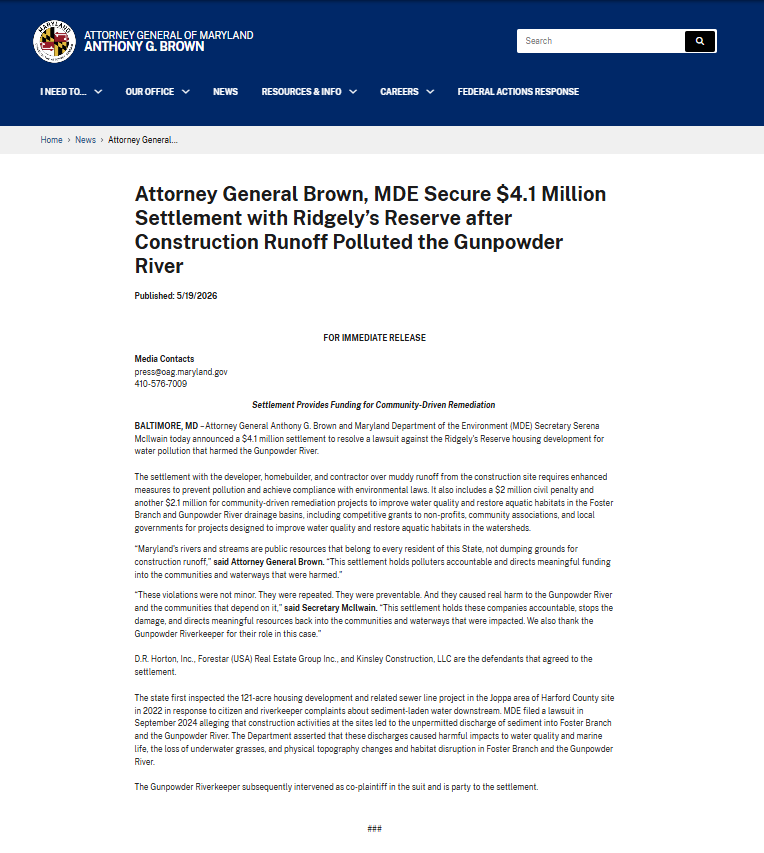
The Healthy Environment, Healthy Communities: Foster Branch and Gunpowder River Community Driven Remediation Projects (CDRP) Grant Program funds projects that will support water quality improvement, public education, and restoration projects throughout the Foster Branch and Gunpowder River watersheds. The community driven remediation projects created will improve water quality throughout the Foster Branch and Gunpowder River watersheds through projects that improve ecological function, reduce impacts from pollution, restore the aquatic environment, and/or improve public education and transparency about water quality topics.
PROGRAM STATUS: OPEN
How to Apply:
View RFP HereNarrative Questions
Questions?
Contact Kayleigh Katzenberger, Program Officer, by emailing
kkatzenberger@cbtrust.org or calling 410-974-2941 x127.
Deadline to Apply: 4:00 PM EST on February 16, 2027.
Learn More about this Funding Opportunity
What the Healthy Environment, Healthy Communities: Foster Branch and Gunpowder CDRP Grant Program Funds:
This grant program seeks projects that will support water quality improvement, including projects that improve ecological function, reduce impacts from pollution, restore the aquatic environment, and/or improve public education and transparency about water quality topics throughout the Foster Branch and Gunpowder River watersheds.
Pollutant Load Reduction Calculator:
The SIMPLE Pollutant Load Reduction Calculator was developed to help applicants more easily and consistently estimate the water quality benefits of proposed stormwater management implementation projects. The tool is an easy-to-use spreadsheet that is consistent with the pollutant loading rates and load reduction efficiencies used in the Chesapeake Bay Model. You can easily estimate pollutant load reductions from individual projects as well as to compare a suite of candidate projects based on factors such as pollutant load reduction, maintenance expectations, constructibility, and cost-effectiveness.

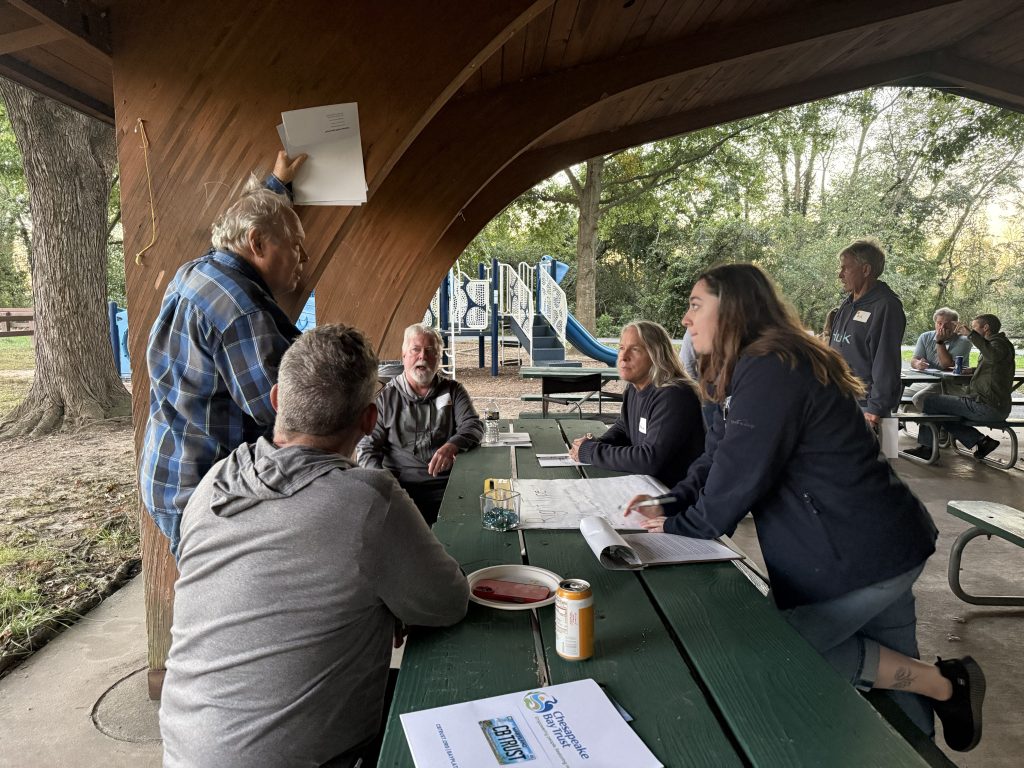
Information Session
Monday, November 30, 2026 at 5:30 pm
Click here to register.

Office Hours
Weekly office hours starting Tuesday, December 1, 2026, from 11am-12pm (will not be held Tuesday, December 29, 2026). Click here to join.

Site Visits
Weekly Site Visits starting Thursday, December 3, 2026, every Thursday between 10am and 2pm until Friday, January 28, 2027 (will not be held on 12/24 or 12/31). Email Kayleigh to schedule.

Application Process
Grant applications are submitted through an online system. Visit www.cbtrust.org/login to get started.
Frequently Asked Questions
Am I Eligible to Apply?
The Maryland Department of the Environment and the Trust welcome requests from the following organizations:
- Nonprofit Organizations
- Community, Homeowners, and/or Neighborhood Associations
- Faith-based Organizations
- Service, Youth, and Civic Groups
- State and Local Government Agencies
- Public and Independent Higher Educational Institutions
What is the Funding Availability?
This grant program anticipates funds available to support awards in this Request for Proposals (RFP) at up to $1.89 million.
Applicants are not restricted in how much they can ask for, but they should be aware of the funding availability. Funding requests accepted through this program will generally be between $5,000 to $100,000, depending on the project type and scale of the project.
What are the Eligible Project Types?
The Healthy Environment, Healthy Communities: Foster Branch and Gunpowder River CDRP Grant Program project types include:
- Restoration and Protection Projects: Restoration projects provide water quality improvements, including for ecological function, that will restore the impacted areas using best practices in the field. Applicants may request funding for design, design-build, or implementation of water quality restoration projects. All design-only applications and awards shall commit to planning for and demonstrating the ability to implement.
- Outreach, Education, and Engagement Projects: Outreach, education, and engagement projects are those that demonstrate an increase in public understanding of and engagement in the benefits, challenges, and solutions to restoring the local community’s natural resources, water quality, and environmental health. Projects should seek to increase knowledge within a priority audience (a specific population of focus that is a clearly defined sub-segment of the public).
- Capacity Building Projects: Capacity Building projects are those that strengthen an organization’s or network’s ability to plan, deliver, track, and sustain on-the-ground watershed restoration and environmental improvement activities. Projects should directly support increased implementation of restoration practices including project delivery, performance tracking, or coordination among restoration partners.
What Does a Project Timeline Look Like?
Projects that are solely outreach and education, or capacity building focused will typically be completed within 18 months. While projects that are restoration or mixed outreach and restoration focused can take up to three years. Requests to extend project completion period will be reviewed and considered on a case-by-case basis.
Awarded Projects
To learn more about awarded projects, check out our interactive Impact Map. It shows awarded projects over time and the cumulative impact of the Chesapeake Bay Trust, our funding partners, and the tens of thousands of people who have been empowered to restore our treasured natural resources!
Chesapeake Bay Trust’s Online Awards Portal
The Chesapeake Bay Trust’s Awards Portal was built to make managing your grant easier from start to finish. After logging in, you can apply for a grant, submit a report, or manage your existing award.

Accessibility Statement
View the Trust's Statement about Accessibility and Our Applications
The Chesapeake Bay Trust’s (Trust) mission is to engage and empower diverse groups to take actions that enrich natural resources and local communities of the Chesapeake Bay region. Our position is that all residents benefit from healthy natural resources, and, in turn, all residents have the opportunity to benefit natural resources. To achieve our mission and fully perform as an organization, the Trust commits to fostering the inclusion of individuals and groups from diverse backgrounds. The Trust does not discriminate on the basis of age, gender, race, creed, ethnicity, national origin, religious beliefs, physical abilities, sexual orientation, military status, citizenship, or socioeconomic status in matters affecting employment or in providing access to any of its programs, services, or activities. The Trust complies with all state and federal laws, including Title VI of the Civil Rights Act of 1964, the Americans with Disabilities Act, and regulations promulgated by the U.S. Equal Employment Opportunity Commission.
The Trust will generally provide reasonable and accessible accommodations to those that need it, upon request. If you are in need of assistance in filling out any of our applications, reach out to the support team at least 48 hours before the application deadline. We can be reached by email at grantadmin@cbtrust.org or by phone at 410-974-2941, menu option two.
To view the Trust’s statement on Diversity & Inclusion visit cbtrust.org/diversity-inclusion.
To view this statement as a PDF document click here.
How to Submit a Discrimination Complaint
Individuals may submit a complaint of discrimination regarding Trust services, programs, and activities by completing and submitting complaints in writing by postal mail or electronic mail as follows:
Vice President of Finance and Administration
Non-Discrimination Coordinator
108 Severn Avenue
Annapolis, Maryland 21403
Email: NonDiscrimination@cbtrust.org
Phone: 410-974-2941 x108
For questions on how to file a complaint, please contact the Trust’s Non-Discrimination Coordinator.
All discrimination complaints should be submitted no more than 90 days after the alleged discriminatory service, program, or activity took place.
Note: Submission of the discrimination complaint only initiates an investigation by the Trust of alleged discrimination by the organization.
The complaint should include the following:
- Your information including name, address, phone and email
- Complaint information including service/program/activity name, personnel involved and their position(s), if known, location, and date(s)
- Reason for the complaint including age, gender, race, creed, ethnicity, national origin, religious beliefs, physical abilities, sexual orientation, military status, citizenship, or socioeconomic status
- A detailed narrative of the complaint
- Affirmation that the information provided is true and complete to the best of your knowledge
- Signature and date
Disposition of Complaints
Within 90 days of receiving a written complaint, the Trust will respond in writing to the complainant with the findings and recommendations, if any, made in the investigative report, based upon a preponderance of the evidence. The Trust will implement the recommendations as approved by the President with a resolution.