Healthy Environment, Healthy Communities
Repairing Two Rivers, Powered by the Communities Around Them

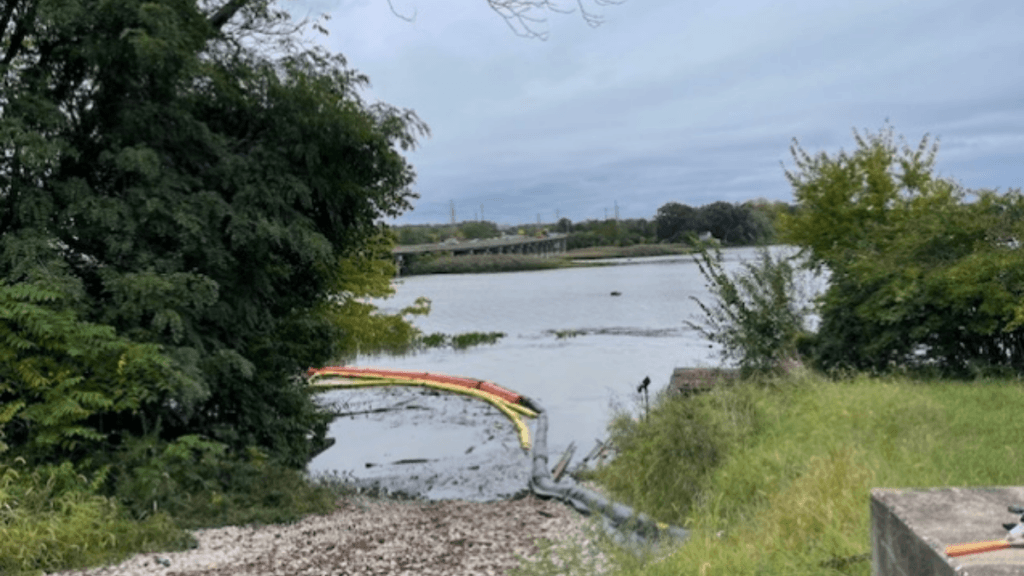
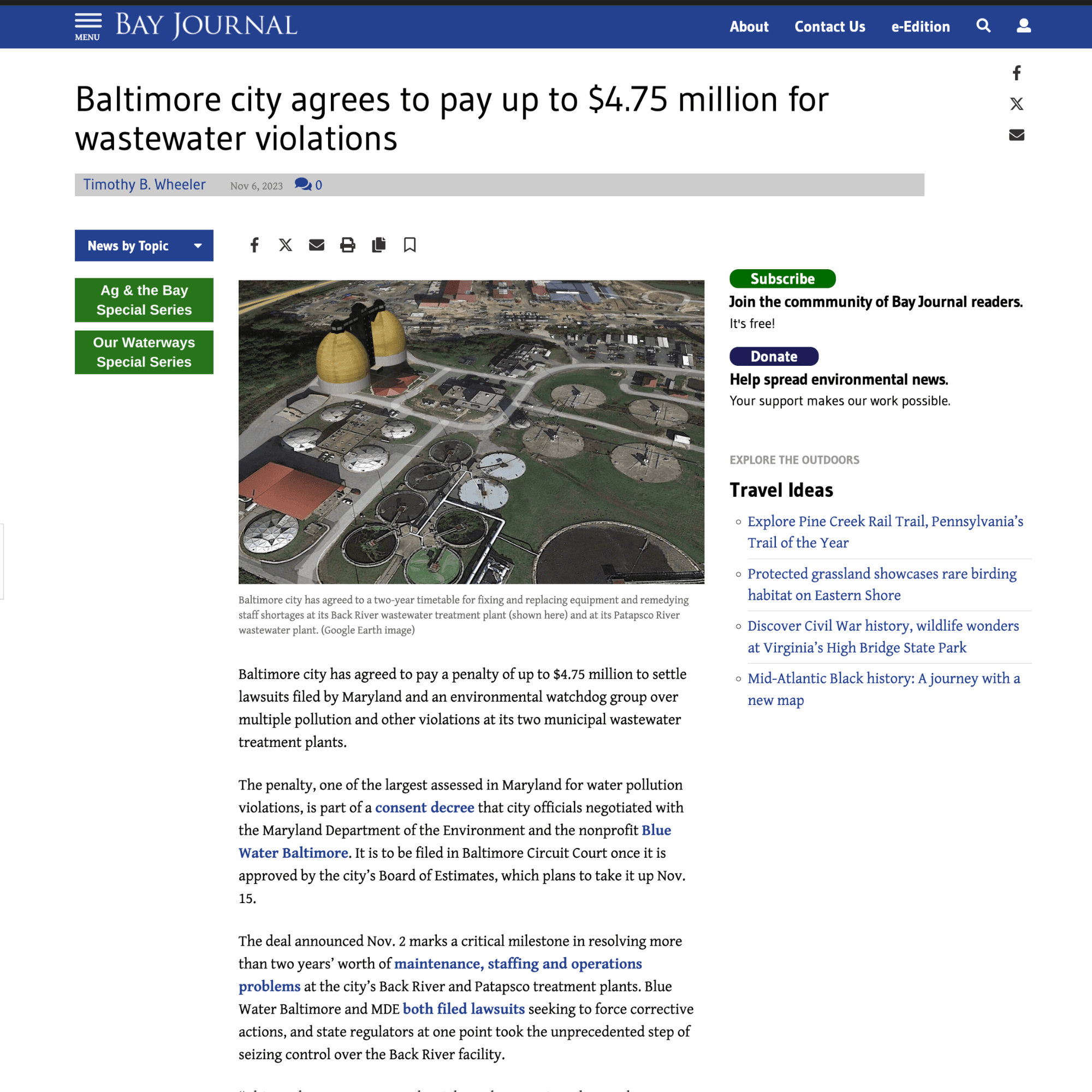
When the state’s two largest wastewater treatment plants allegedly discharged pollution into the Patapsco and Back River, the harm landed on the neighborhoods closest to the water. A civil settlement created the chance to turn that harm into repair, led by the people who live there.
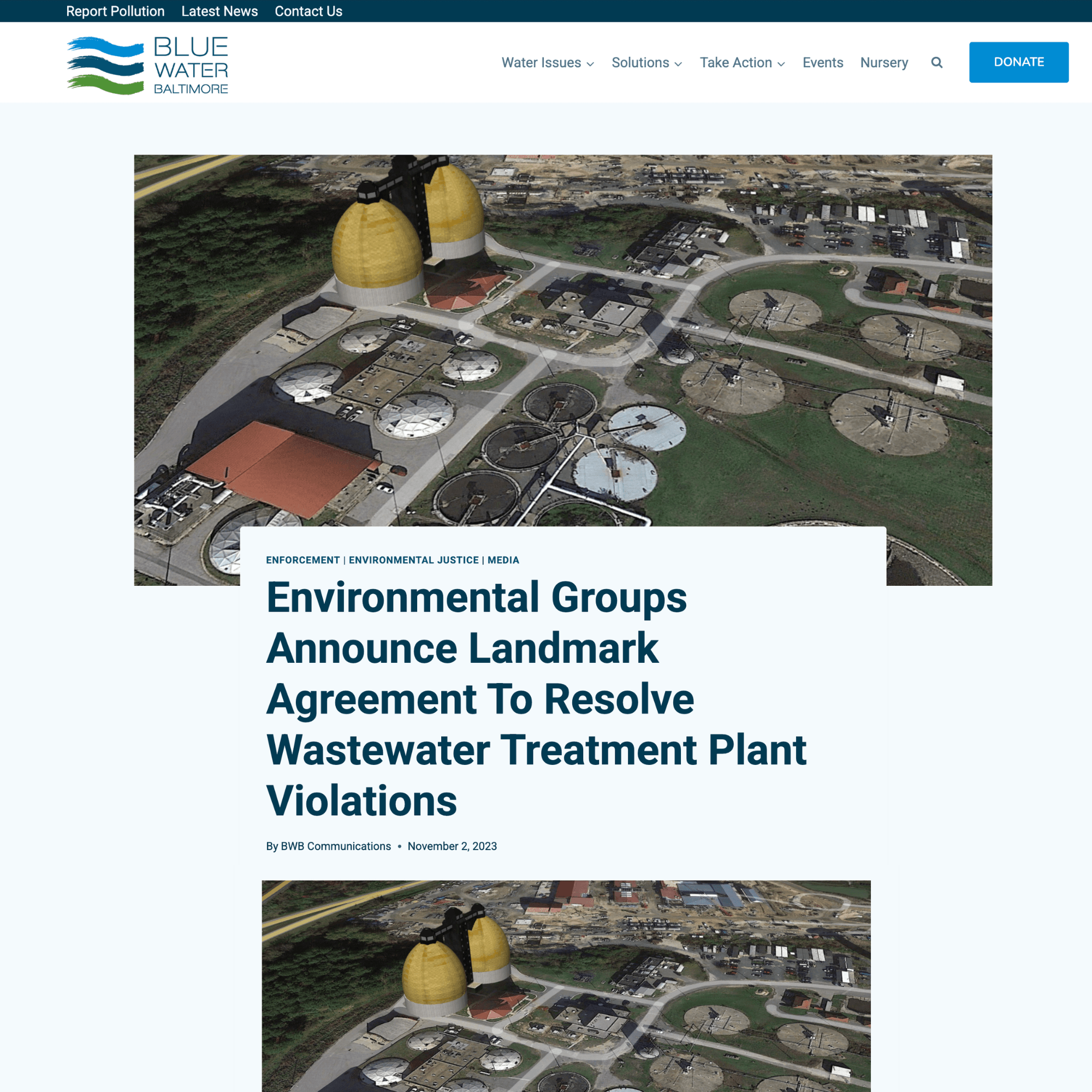
The funding originates from a consent decree between the Maryland Department of the Environment and the City of Baltimore, resolving alleged unauthorized discharges of pollutants from the Patapsco and Back River Wastewater Treatment Plants. As part of the settlement, the City agreed to direct $1.9 million into a Supplemental Environmental Project (SEP) to support water quality improvement and restoration in the two watersheds, with the Chesapeake Bay Trust named to administer the funds.
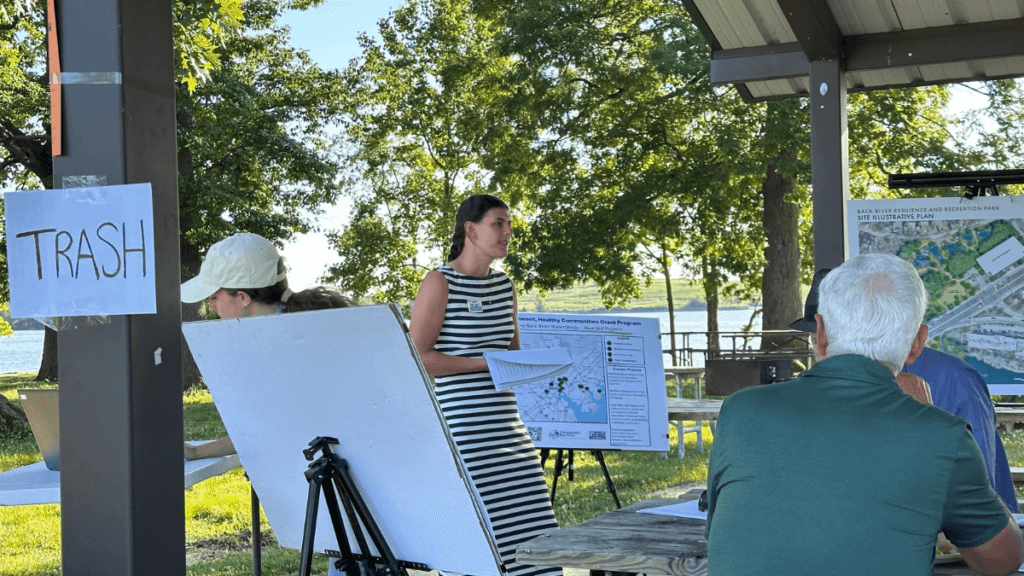
Through the Healthy Environment, Healthy Communities (HEHC) grant program, the Chesapeake Bay Trust directed more than $1.7 million to 21 community-driven projects across the Patapsco and Back River watersheds, from Gwynns Falls and the Herring Run to the shores of Back River. The program was designed and led by the community, with projects chosen to remove trash, manage stormwater, expand green space, and put restoration in the hands of the people closest to the harm.
The Patapsco and Back River program is closed, but the mission continues. At the Chesapeake Bay Trust, we engage and empower people across the region to take actions that enrich our natural resources and the communities that depend on them. Explore how you can be part of restoring and protecting our shared natural resource treasures at cbtrust.org/grants.
What the Funding Made Possible
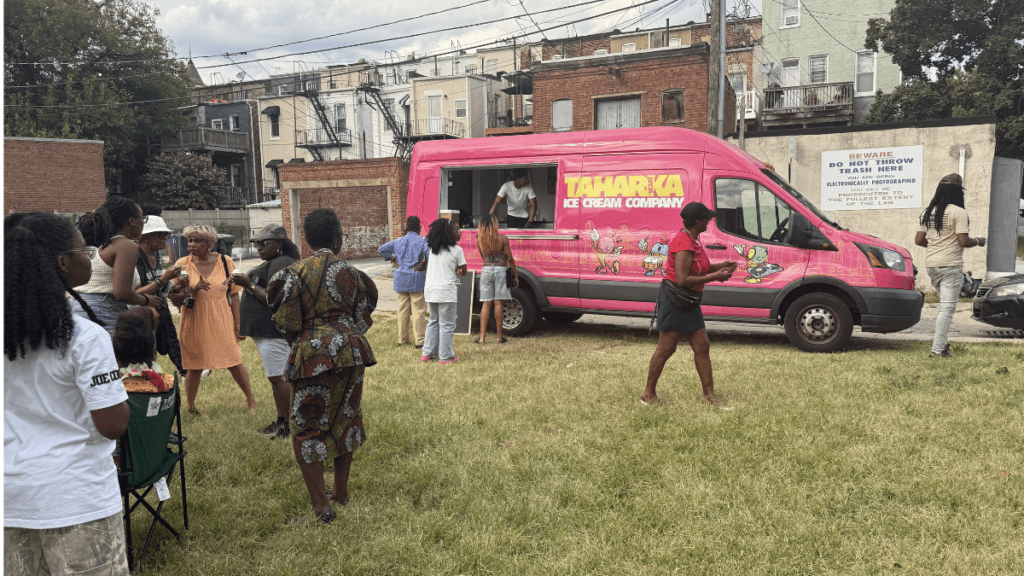
The Patapsco and Back River program set out to do more than treat a symptom. It aimed to reduce the trash and stormwater that burden these waterways, expand access to green space, and build the local capacity to keep the work going. Every award answered a need that residents themselves identified, reflecting the priorities of those who live, work, and recreate along these rivers. That community-led approach is what makes the impact last: when people carry out their own vision for their neighborhood, the work is sustained for years and ripples outward through their community
About Awarded Projects
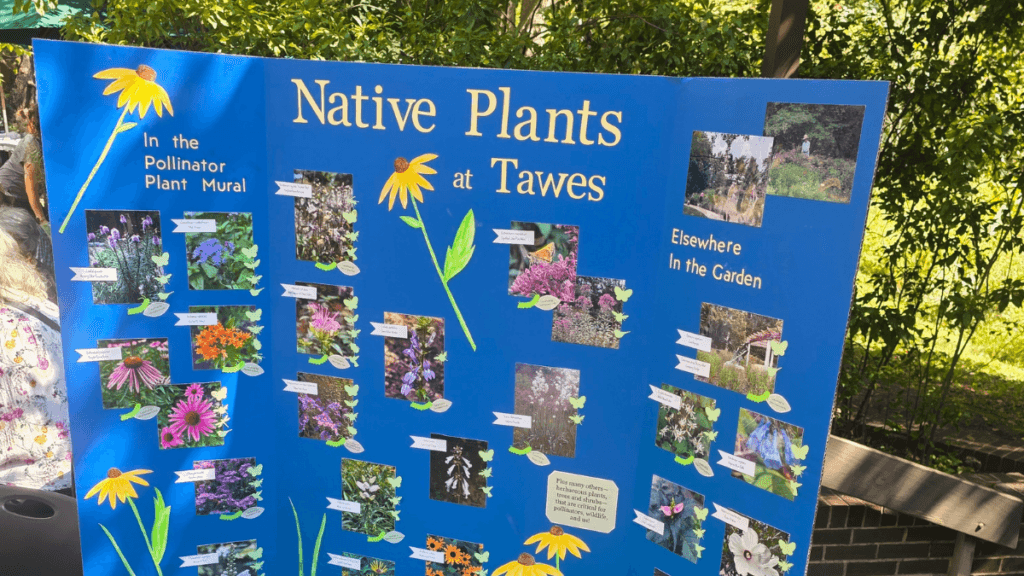
The 6th Branch: $154,263 for residents, students, and community leaders to install pollinator gardens at three urban farms.
Back River Neck Peninsula Community Association: $40,700 to plan future restoration projects in Back River.
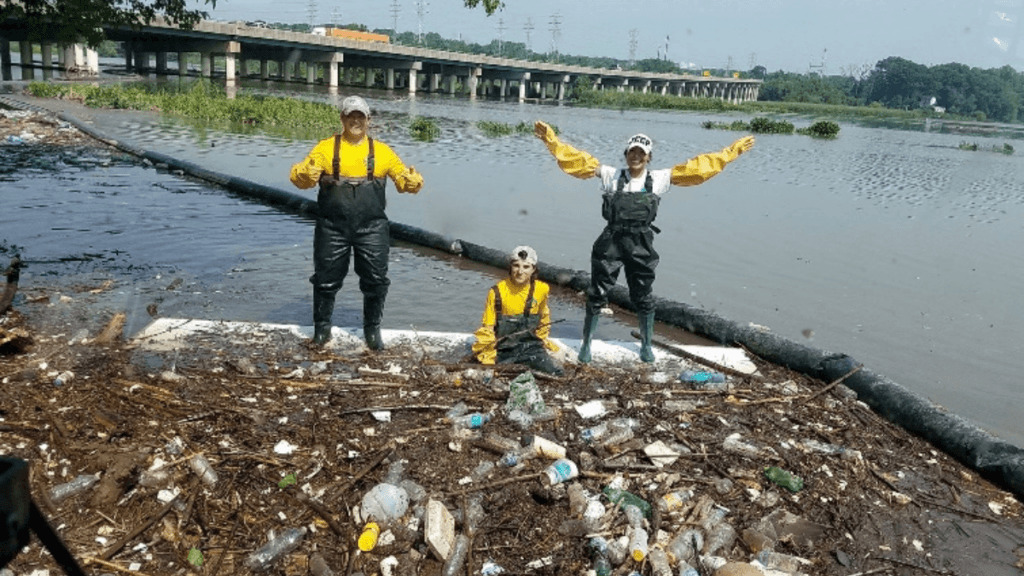
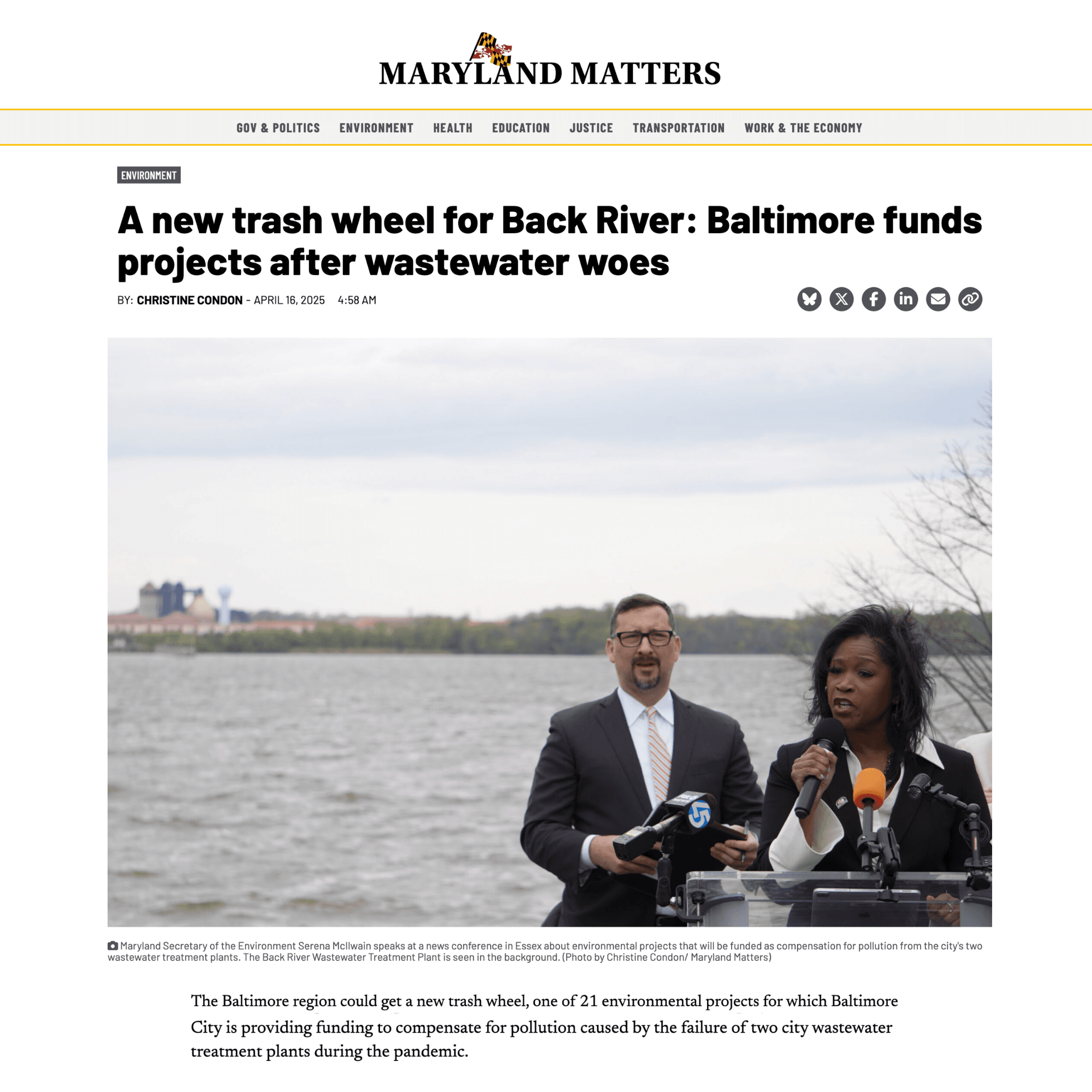
Back River Restoration Committee: $655,363 to design and build a trash wheel to be installed on Back River.
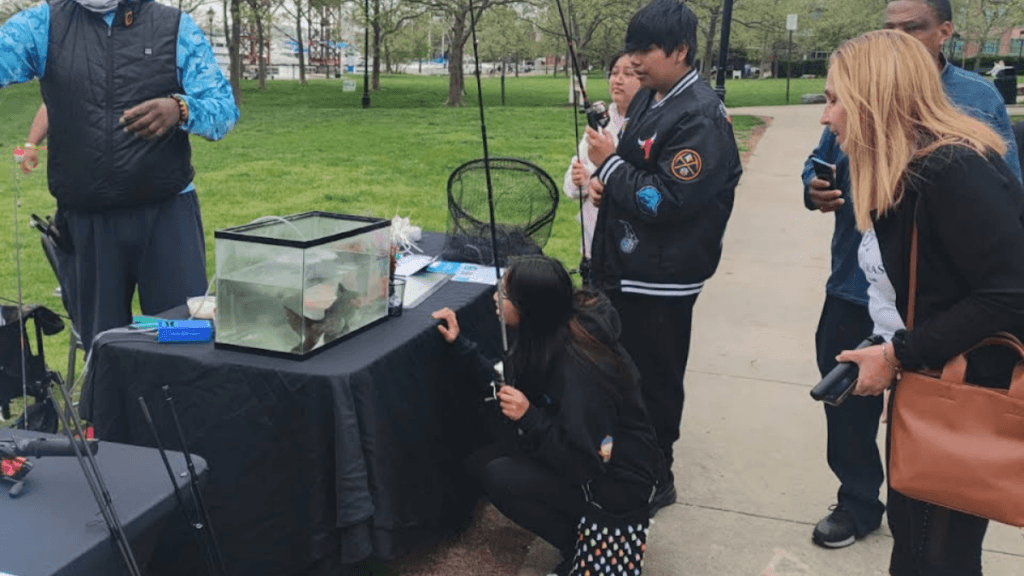
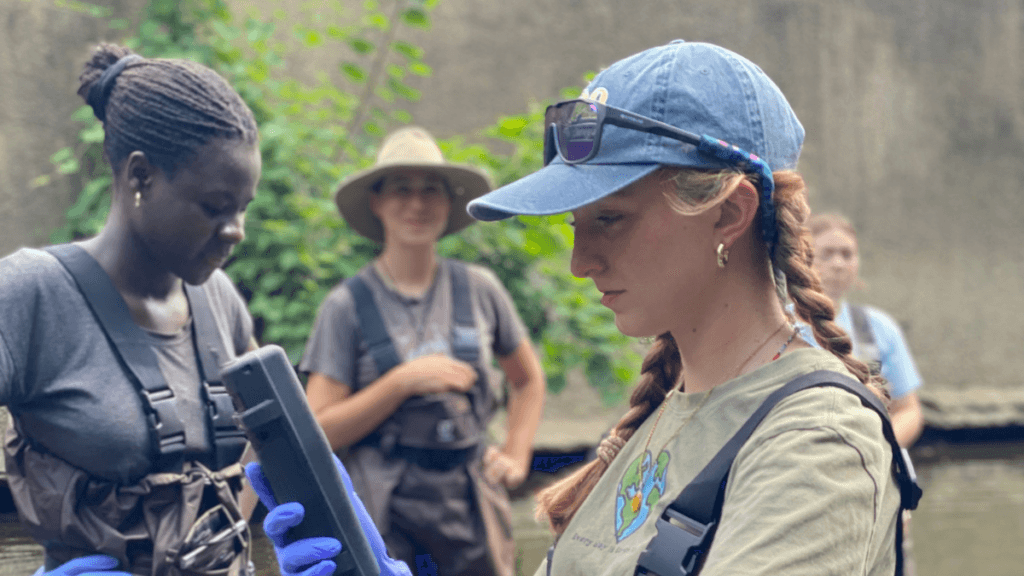
Blue Water Baltimore: $44,539 for community-led water sampling, reporting, and engagement in restoration efforts.
Blue Water Baltimore: $37,361 for water quality sampling and data reporting in the Herring Run watershed.
Butchers Hill Neighborhood Association: $8,228 for native planting events and a community composting program.
Civic Works, Inc.: $52,786 for litter cleanups in East Baltimore communities overburdened by dumping.
Cylburn Arboretum Friends: $8,118 for restoration, maintenance, and education on the benefits of urban forest management.
Faith Presbyterian Church: $6,275 to plant trees and install rain barrels that expand the site’s greening efforts.
Friends of Herring Run Parks: $50,296 to improve community access to green space and host cleanups in the Herring Run watershed.
Friends of the Patapsco Valley State Park: $30,000 for improved trail stability along the Patapsco riverbank.
GeN’xt Ministries, Inc.: $158,435 to implement green stormwater practices at Huber Memorial Church.
Grow Home: $48,276 for greening, pollution reduction, and stormwater practices at Farring Baybrook park.
Gwynns Falls Community Association: $8,740 to develop community-led plans to transform Lower Gwynns Falls Park and nearby vacant lots into greenspaces.
Howard County Conservancy: $7,190 to educate students on local climate change impacts and develop an environmental action project.
Intersection of Change: $51,667 for “Urban Youth in Agriculture,” a youth workforce program at the Strength to Love farm in West Baltimore.
Lillie May Carroll Jackson Charter School: $64,346 for a rain garden and permeable pavement to treat stormwater, plus an outdoor education space.
Living Classrooms Foundation: $222,539 to install greening practices that improve water quality in the Lancaster Street canal.
NeighborSpace of Baltimore County: $9,149 for native wildlife and plant education and stream cleanups to improve forest and stream health.
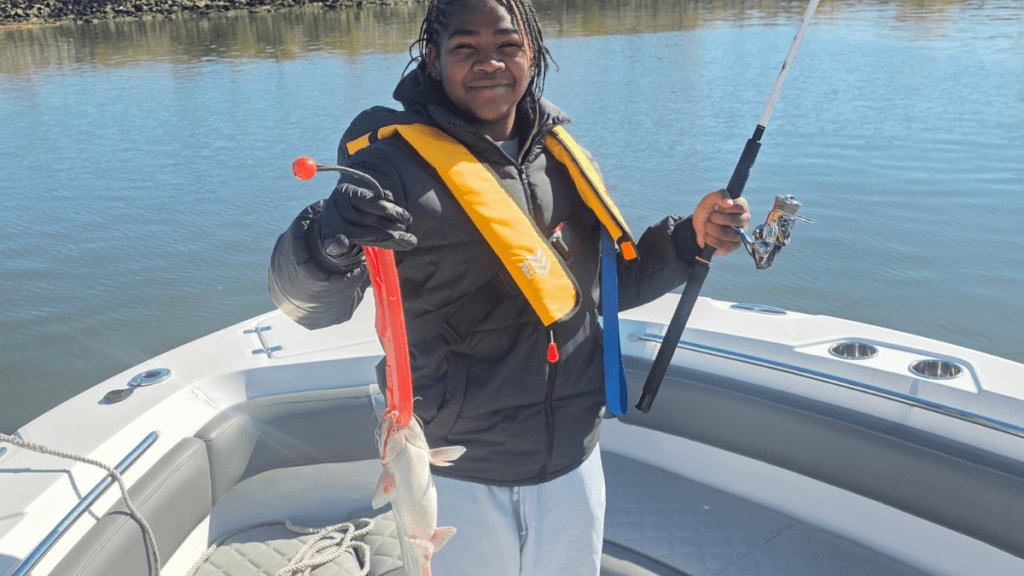
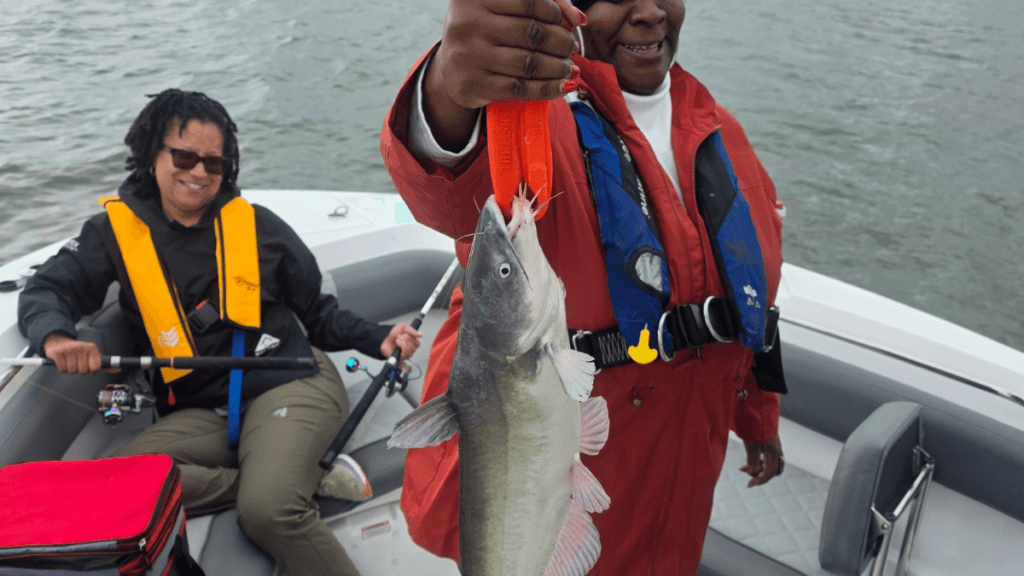
ONE More… ONE Less Mentoring: $44,000 for conservation-focused education and strategies to manage the invasive blue catfish population.
Our Lady of Mount Carmel: $7,729 to start a water testing and pollution monitoring program on Back River.





In The News
Lasting Impact Across our Programs and Region!
The work on this page is part of something larger. See how the Trust’s grants are making an impact across the region on our interactive map.