Healthy Environment, Healthy Communities
Turning Accountability into Investment for South Baltimore

In South Baltimore, the communities living closest to the nation’s largest medical waste incinerator bore the burden of how it was run. When that harm was brought to account, the resolution created an opportunity: to invest directly in the neighborhoods that had carried the cost, on the terms the community itself defined.
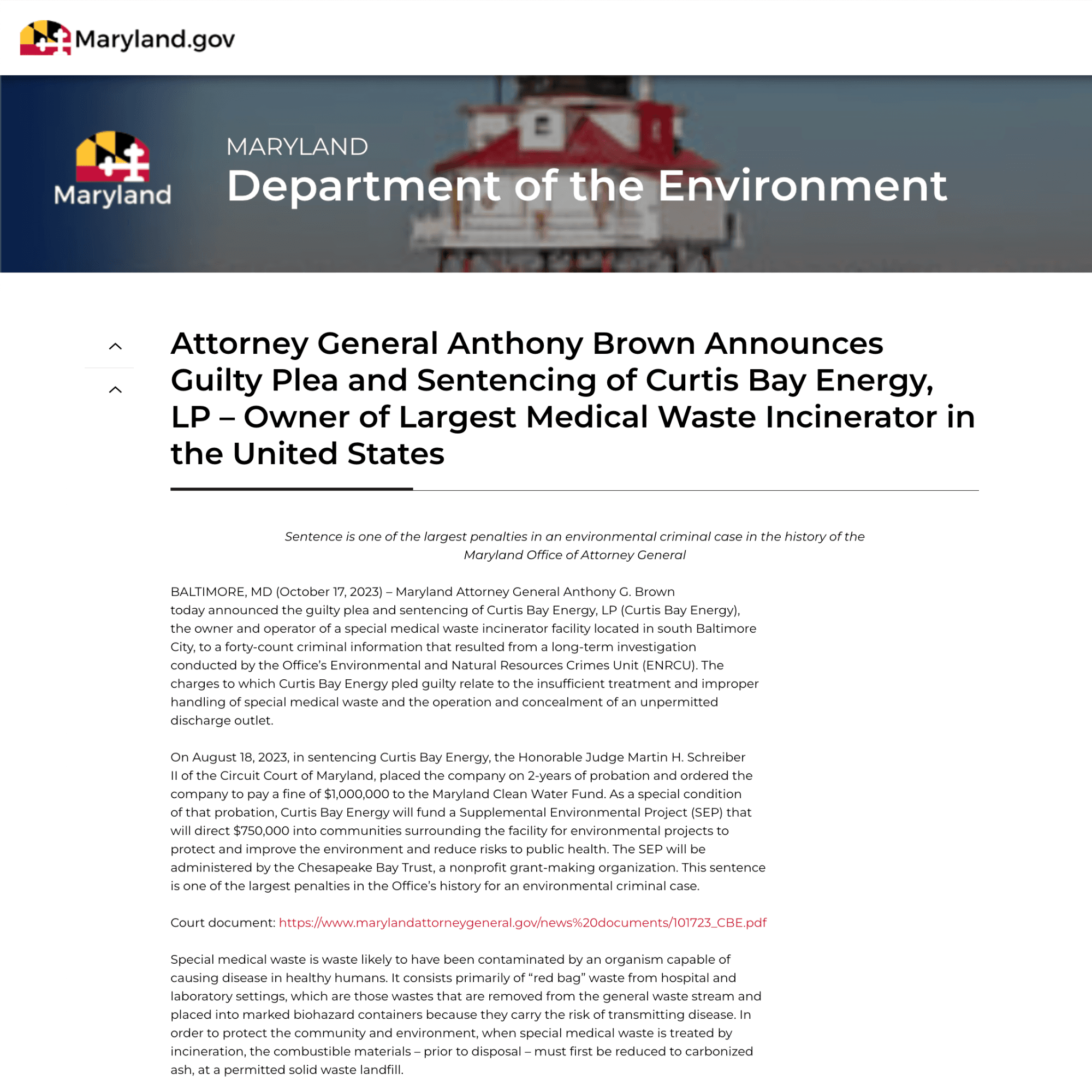
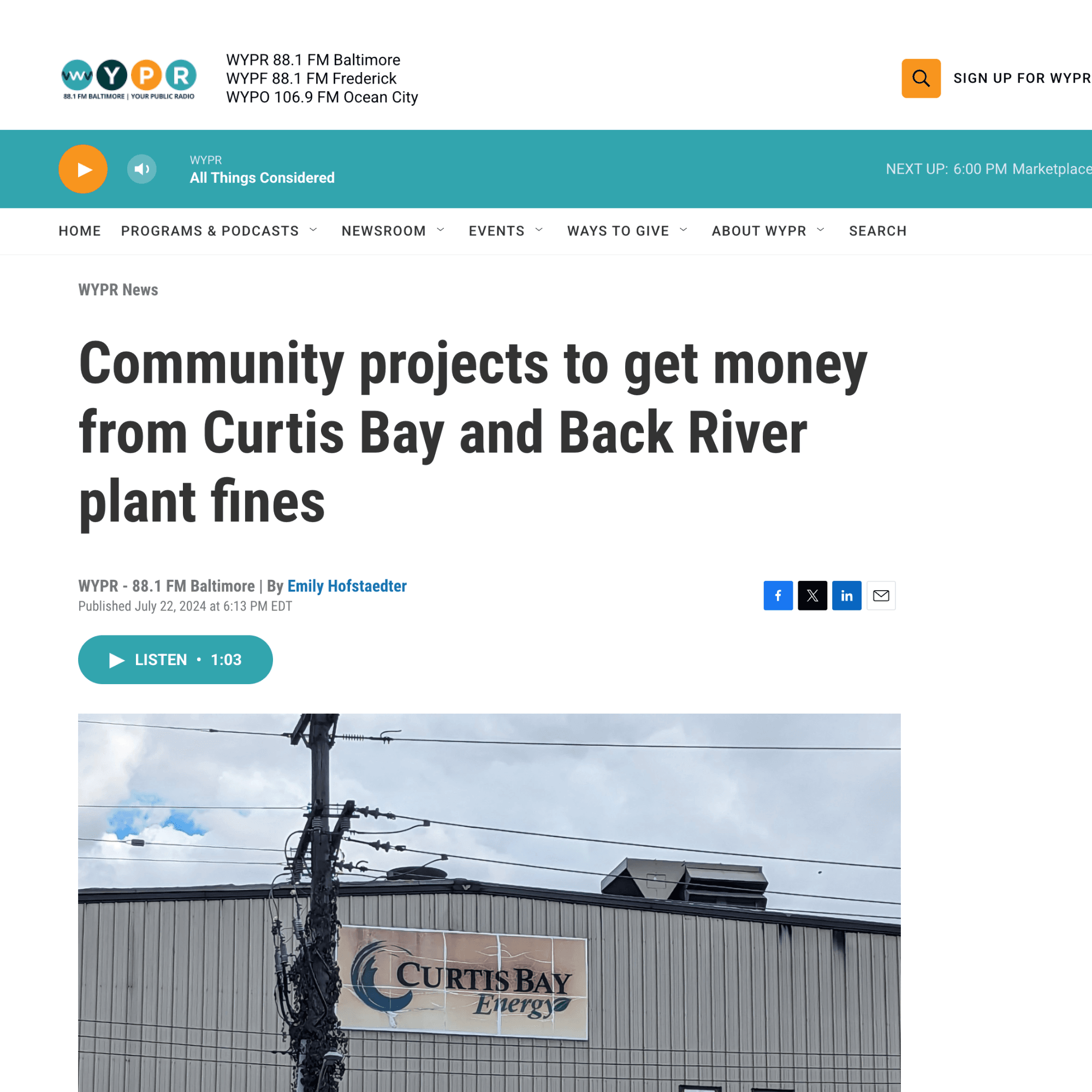
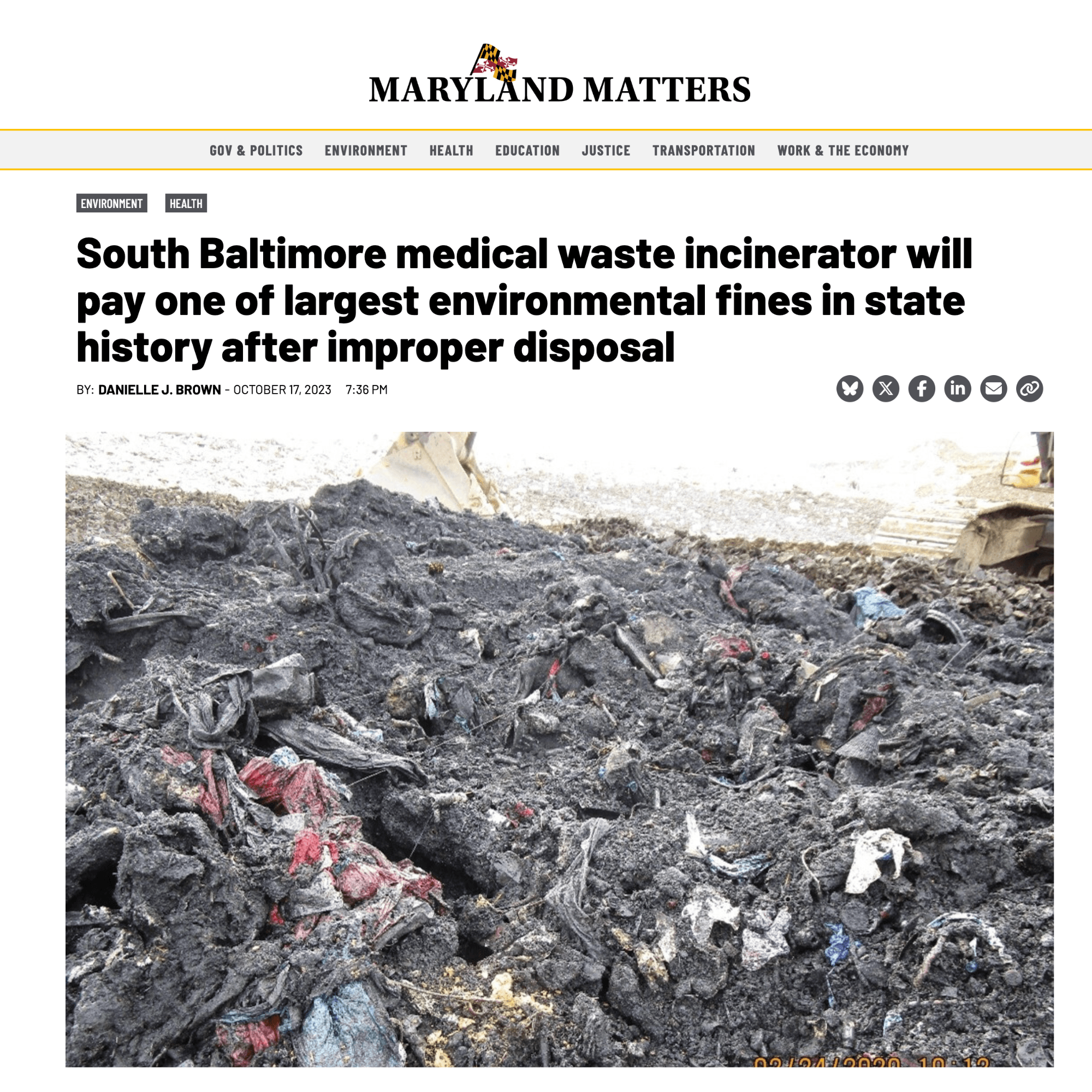
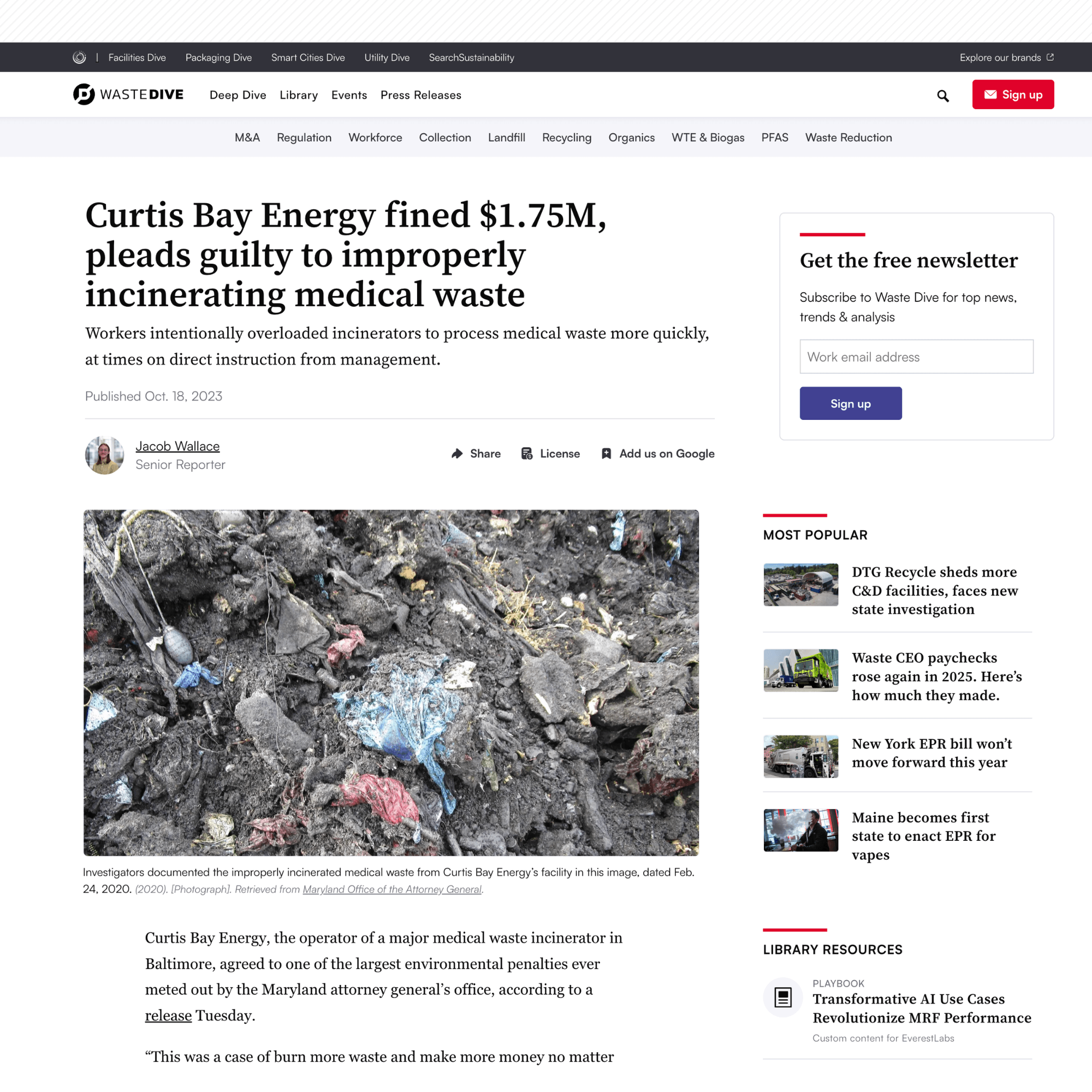
The funding originates from a criminal enforcement case brought by the Maryland Office of the Attorney General’s Environmental and Natural Resources Crimes Unit. A late-2019 investigation found that Curtis Bay Energy, LP, the largest medical waste incinerator in the United States, had systematically mishandled and improperly disposed of insufficiently incinerated special medical waste in South Baltimore. In 2023, the company pleaded guilty to a 40-count criminal information and received one of the largest penalties in the Attorney General’s history for an environmental crime, including a $750,000 Supplemental Environmental Project (SEP) directed into the surrounding communities, with the Chesapeake Bay Trust named to administer the funds.
Through the Healthy Environment, Healthy Communities (HEHC) grant program, the Chesapeake Bay Trust directed more than $720,000 to 16 community-driven projects across Curtis Bay, Hawkins Point, Brooklyn, Brooklyn Park, and surrounding South Baltimore communities. The program was designed and led by the community, with projects chosen to reduce solid waste and pollution, expand green space, and improve public health where the harm was felt most.
The Curtis Bay and surrounding communities program is closed, but the mission continues. At the Chesapeake Bay Trust, we engage and empower people across the region to take actions that enrich our natural resources and the communities that depend on them. Explore how you can be part of restoring and protecting our shared natural resource treasures at cbtrust.org/grants.
What the Funding Made Possible
The Curtis Bay program set out to address harm at its source. It aimed to reduce the solid waste and pollution that burden these communities, expand access to green space, and build local skills and stewardship that outlast any single project. Every award answered a need that residents themselves identified, reflecting the priorities of those who live, work, and play in South Baltimore. From workforce training and youth programs to community cleanups and greening, that community-led approach is what makes the impact last: when people carry out their own vision for their neighborhood, the work is sustained for years and ripples outward through their community.
About Awarded Projects
Anne Arundel County Public Schools: $3,285 for park outings for young children with disabilities and their families.
Black Yield Institute, Inc.: $100,000 for the Black Yield Marketplace, a Curtis Bay mutual aid market addressing food insecurity with fresh, affordable produce.
City of Refuge Baltimore: $55,000 for a solar panel installation workforce development pre-apprenticeship program.
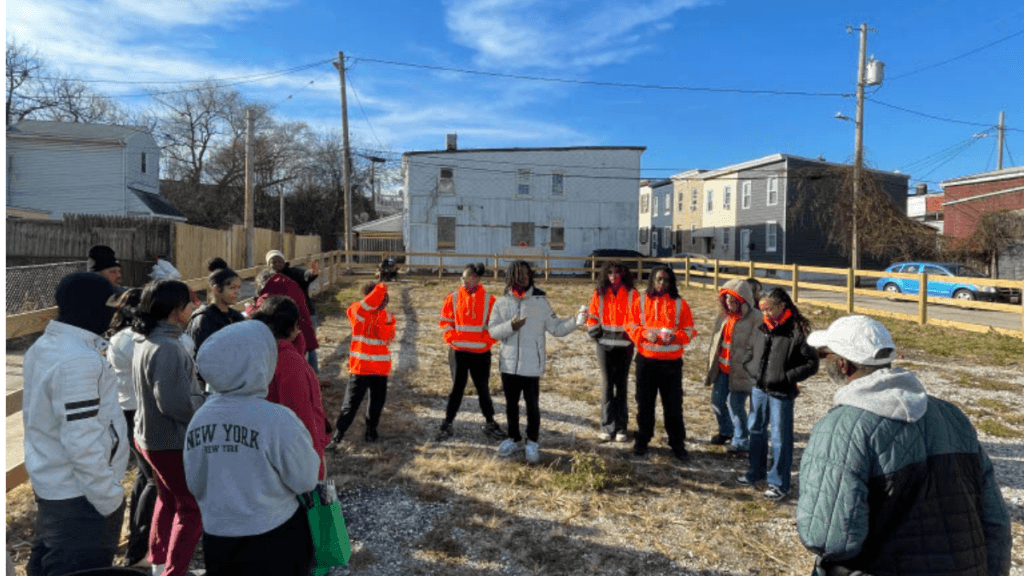
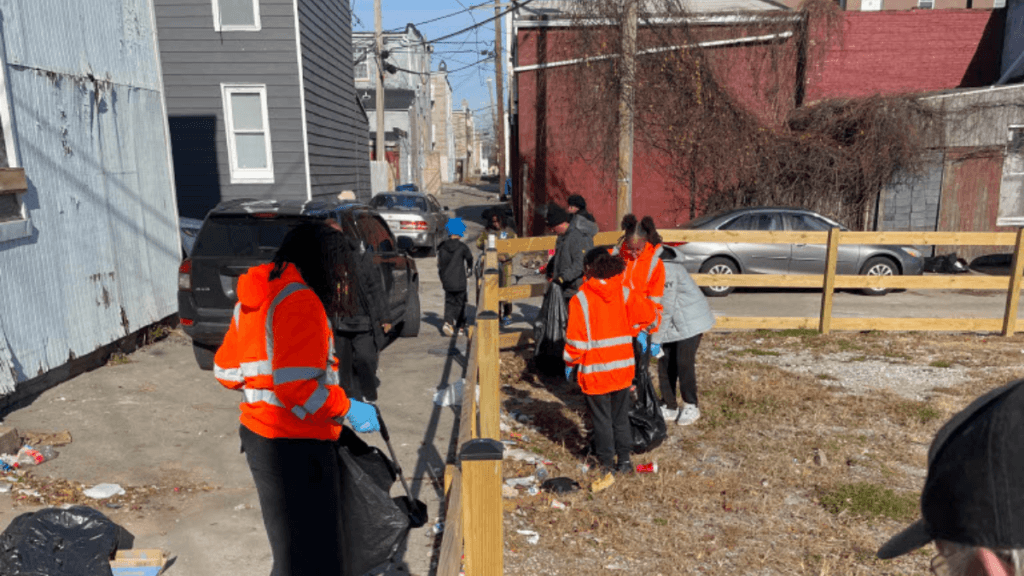
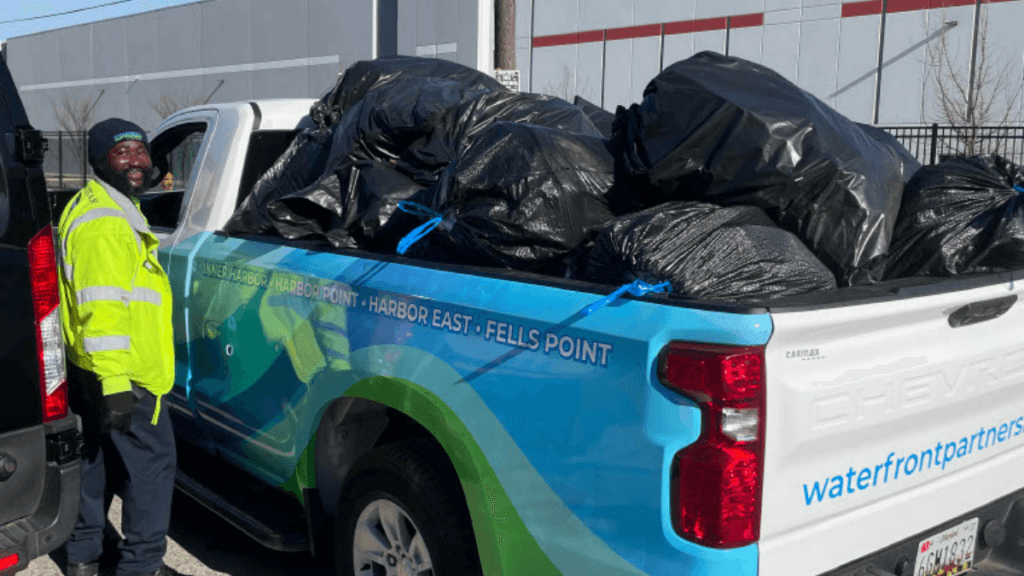
The Complete Player (TCP) Charity: $82,951 for “TCP Young Leaders (BP Street Sweepers),” student-led cleanups, environmental education, and drain stenciling in Brooklyn Park, Brooklyn, and Curtis Bay.
Concerned Citizens for a Better Brooklyn: $15,600 for “Don’t Bee Trashy,” community cleanups on Garrett Park and Chesapeake Avenue, native plantings, and curb and gutter painting.
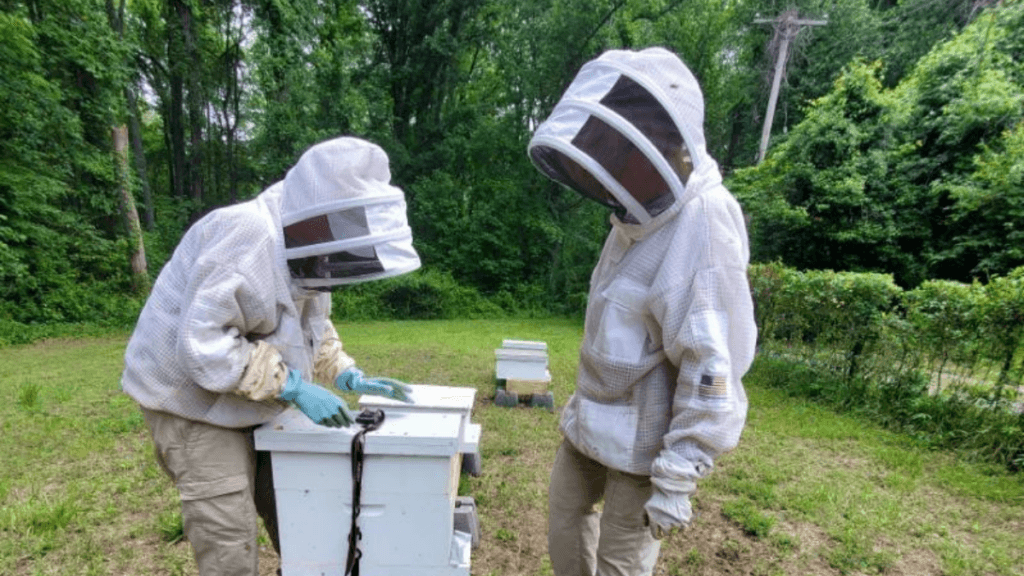
Drink at the Well, Inc.: $50,649 to expand a beekeeping workforce program and community outreach on the importance of bees to environmental health.
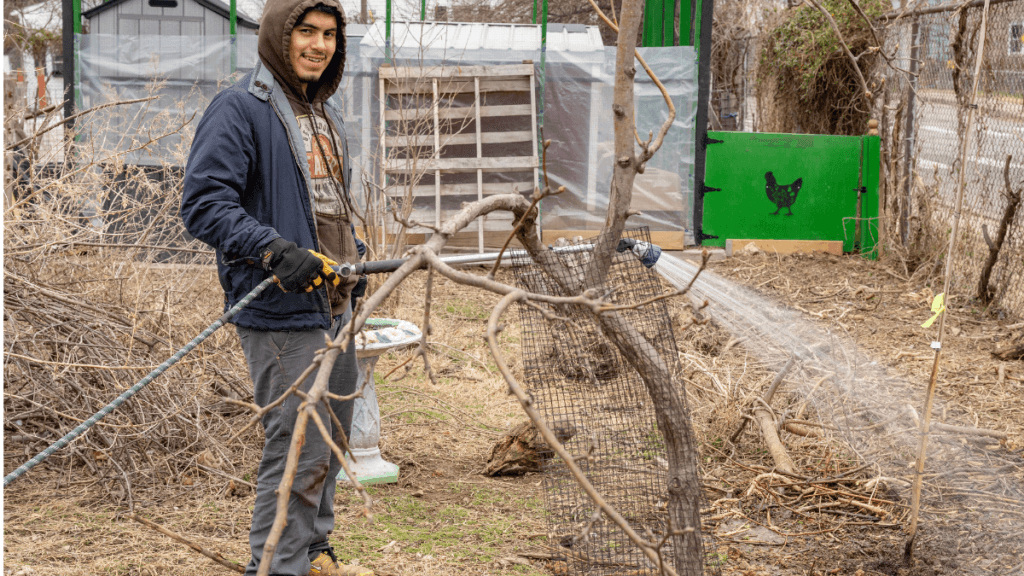
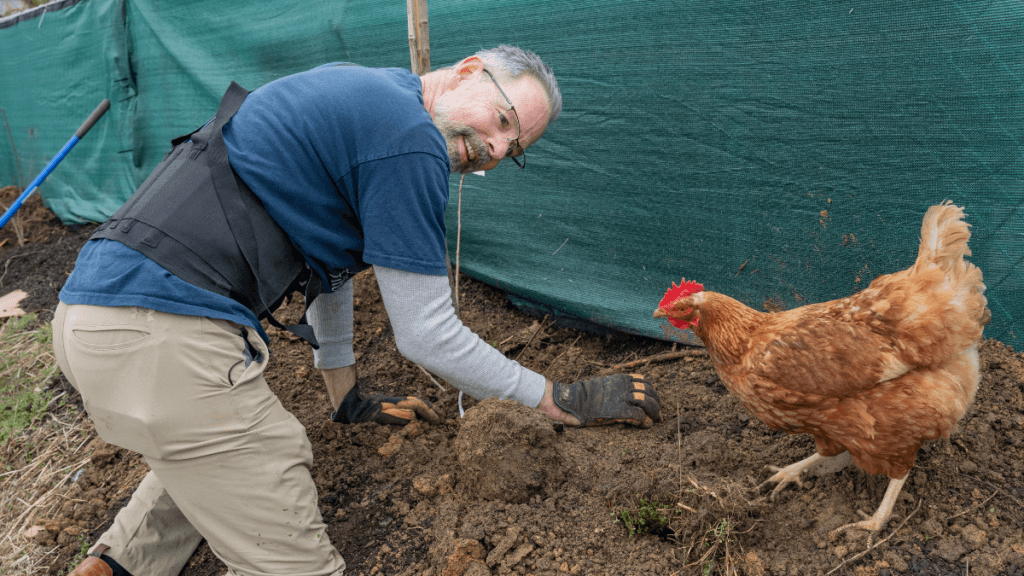
Filbert Street Garden: $21,600 to employ local youth as stewards supporting daily operation of the Filbert Street Garden.
Filbert Street Garden: $2,084 for stormwater and pollinator gardens.
Greater Baybrook Alliance: $24,921 for community cleanups along the Brooklyn business corridor.
Grow Home: $114,125 for greening, pollution reduction, and stormwater management at Farring Baybrook Park.
The Johns Hopkins University: $77,653 for the MPOWER Van, a mobile laboratory supporting environmental monitoring, community engagement, and response.
National Aquarium: $28,882 for community engagement activities with the Latine congregation Templo de Alabanza y Restauración.
Nature Worx, Inc.: $25,866 for a series of nature immersion events in Baltimore City.
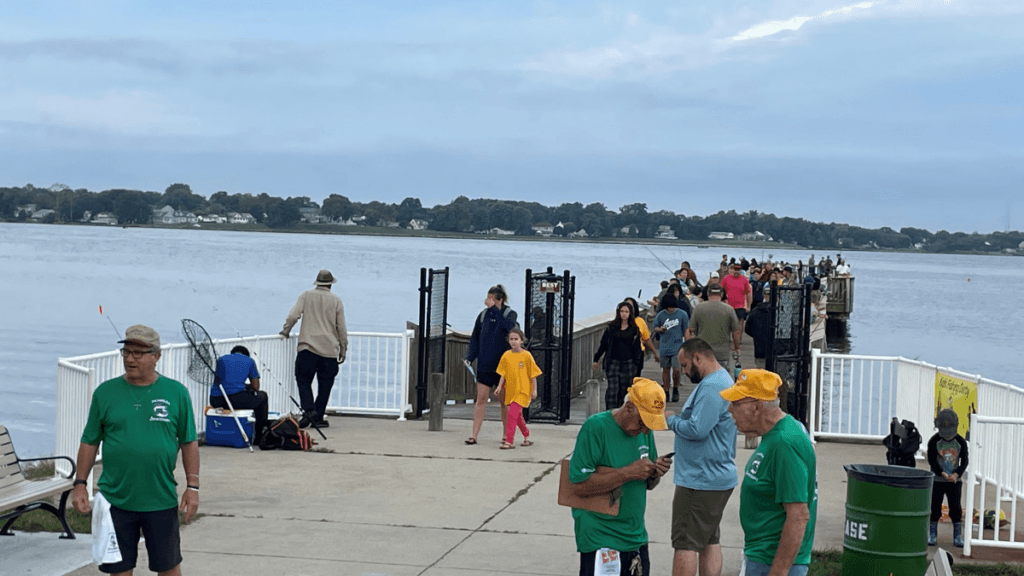
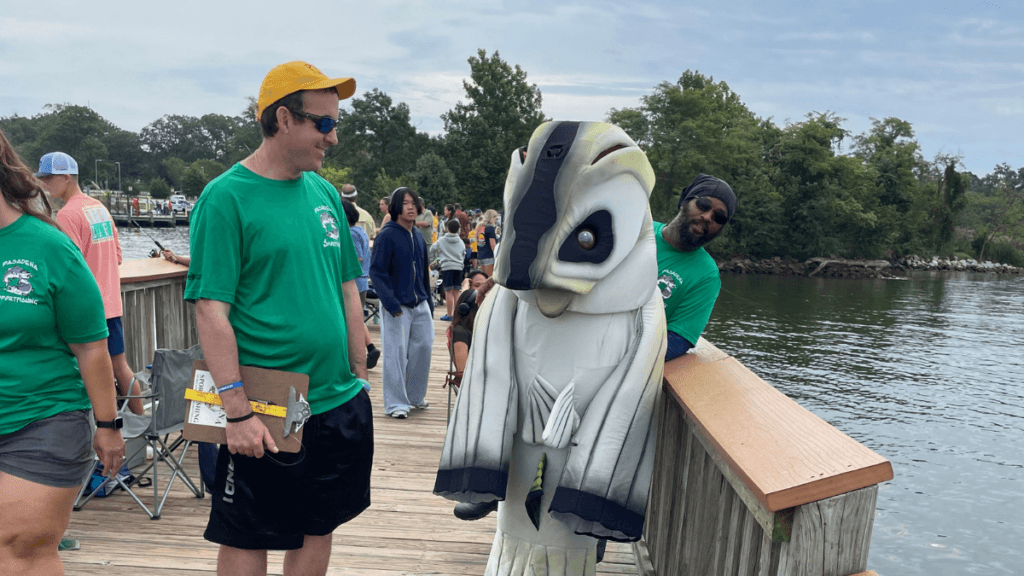
Pasadena Sportfishing Group: $45,160 for a series of fishing events to engage children and families in the outdoors.
Shelley’s House: $27,000 for community engagement at the intersection of environmental health and physical and emotional well-being.
South Baltimore Community Land Trust: $48,500 for the Summer Youth Environmental Justice Scholars Program, engaging high school students in hands-on environmental justice work.

In The News
Lasting Impact Across our Programs and Region!
The work on this page is part of something larger. See how the Trust’s grants are making an impact across the region on our interactive map.