Explore the Intersection of AI, Climate Change, and Higher Education
The Chesapeake Bay Trust and Howard University are partnering together to host the Eco-Intelligence Summit on February 25, 2026. This event provides an opportunity to hear from, and engage with, a diverse group of experts at the forefront of their field and participate in active discussion with other event attendees. Lunch will be provided. Space is limited.
Summit Speakers & Moderators
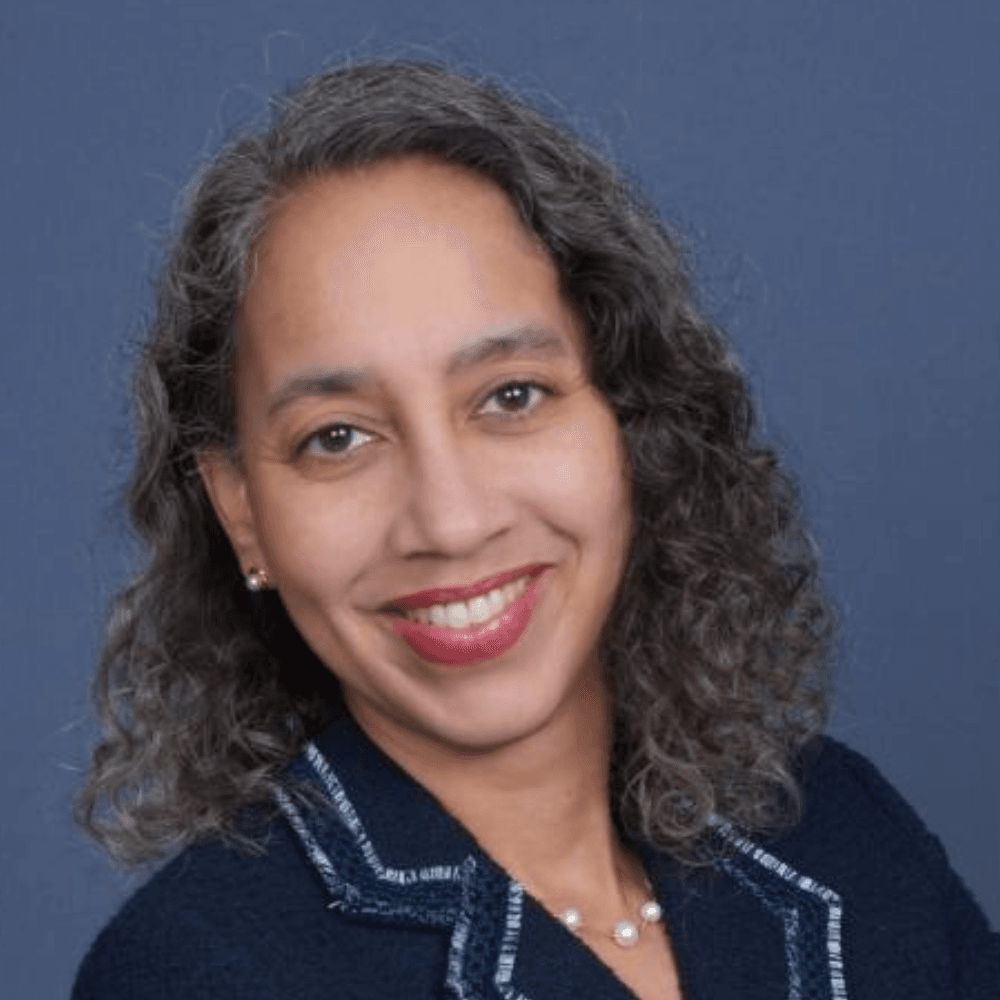
Keynote Speaker
Talitha Washington, Ph.D.
Executive Director, Center for Applied Data Science and Analytics
Bio
Talitha Washington, Ph.D., is a distinguished mathematician, serves as the Executive Director of the Center for Applied Data Science & Analytics (CADSA) at Howard University. A transformational leader, Dr. Washington guides CADSA’s direction in harnessing the power of data to address society’s most pressing challenges through groundbreaking research, expanded educational opportunities, and innovative advancements on a global scale. She holds the Sean McCleese Endowed Chair, is a Professor of Mathematics, and is the co-Chair of the President’s AI Advisory Council, which guides the university’s AI strategy across research, academic, and enterprise initiatives.
Dr. Washington serves as the Past-President of the Association for Women in Mathematics and a former member of the Census Scientific Advisory Committee of the U.S. Census Bureau. Her research interests include applied mathematics, dynamical systems, nonstandard finite difference schemes, data science, artificial intelligence, and education.
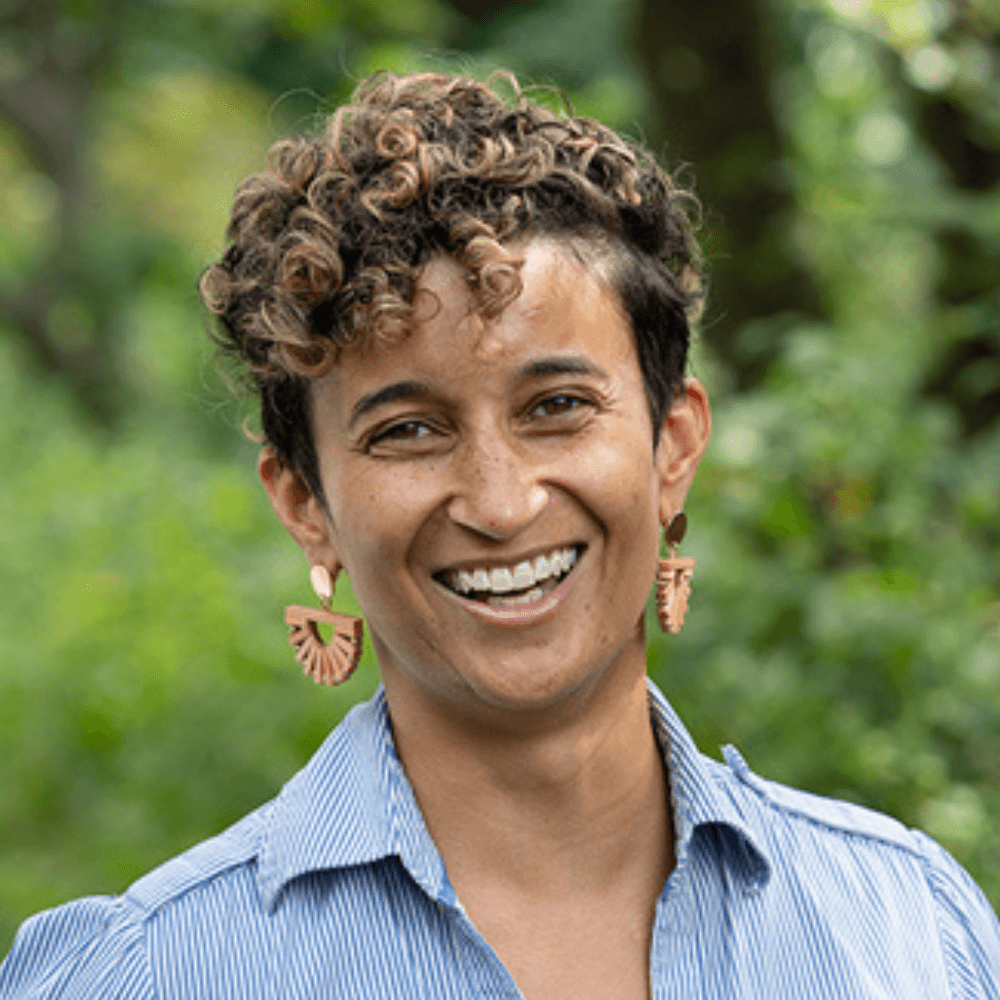
Lydia Lawrence
Nature Forward
Moderator: AI & Climate/Environment
Bio
As Director of Conservation at Nature Forward, Lydia oversees Nature Forward’s advocacy and community outreach work in DC, MD, & VA. Lydia most connects to Nature Forward’s goals to protect the natural world and help others enjoy nature. Their connection to this work comes from their experience not seeing people who look like them enjoying the natural world. This experience drove them to create opportunities to connect historically overburdened communities to healthy natural environments and to remove the systemic barriers that have prevented diverse communities from enjoying the natural world. Outside of work, you can find Lydia paddling the Potomac, rock climbing, foraging, and generally being in awe of Nature’s beauty.

Yogesh Bhattarai
Howard University
Panelist: AI & Climate/Environment
Bio
Yogesh Bhattarai is a Ph.D. student in the Department of Civil and Environmental Engineering at Howard University and an Ernest E. Just–Percy L. Julian Graduate Fellow. His research focuses on flood prediction and harmful algal bloom forecasting, with particular attention to the environmental costs and benefits of AI applications in environmental science. His work integrates hydrodynamic modeling, machine learning, and remote sensing to address flood events in riverine, urban, and coastal environments. Current projects include flood risk prediction systems that account for complex interactions between rainfall, terrain, soil saturation, drainage infrastructure, and sea level rise, as well as harmful algal bloom forecasting along US coasts using NOAA datasets to track nutrient runoff and water quality dynamics. Yogesh approaches AI applications in environmental work through a framework that balances computational efficiency with real-world impact, advocating for renewable energy infrastructure and carbon accounting as core components of responsible model development. He serves as a CEE Graduate Ambassador and is an active member of ASC, ESRI, and AGU.
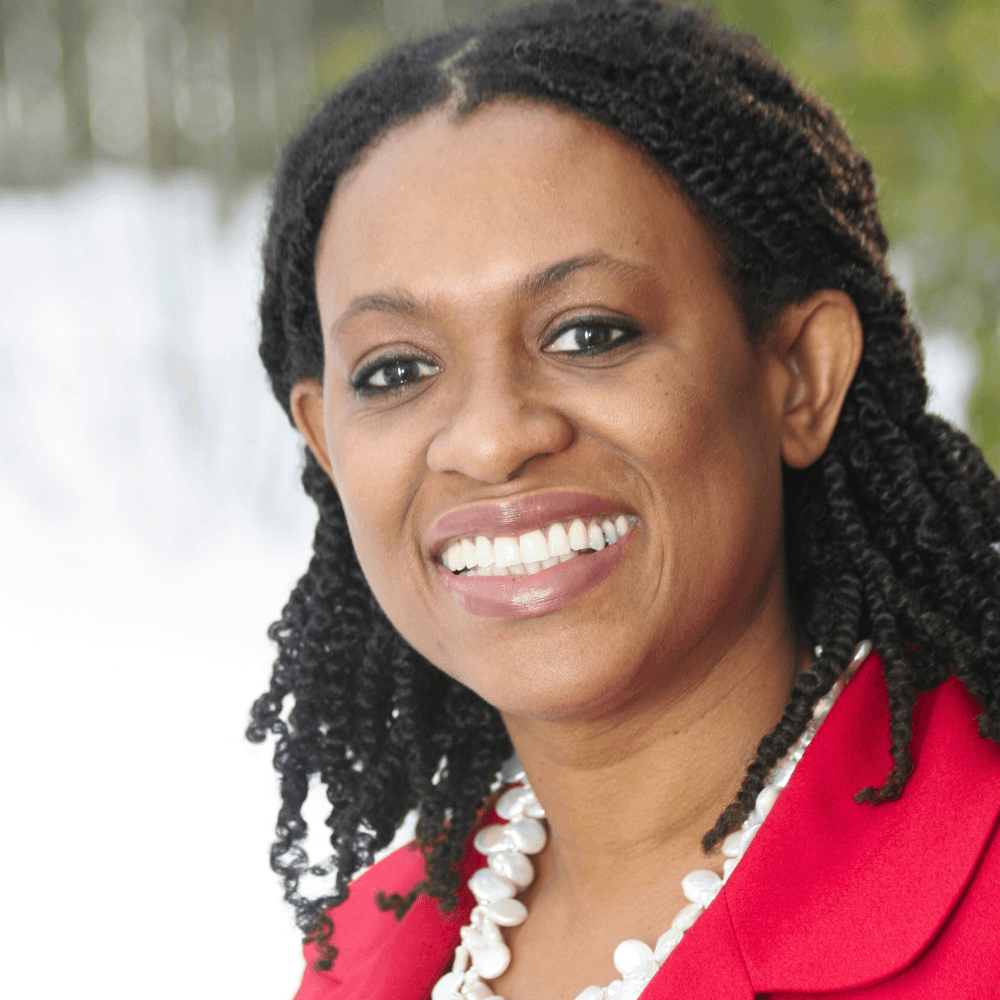
Karen Campblin
Virginia NAACP
Panelist: AI & Climate/Environment
Bio
Karen T. Campblin currently serves as the Environmental and Climate Justice, Chair for the Virginia State Conference NAACP and provides resources and support to local communities to address environmental injustices, promote efforts to improve quality of life and health, and advocate for transformative policy and program changes. Karen is focused on advocating for and protecting communities and believes addressing greenhouse gas emissions, particularly from the transportation sector, is a crucial link towards building sustainability and equity in our communities. Karen is a Community Development Planner specializing in transportation and community revitalization. Utilizing her in-depth knowledge and experience in planning techniques and regulatory requirements, she is committed design, equitable solutions and promote smart-growth legislation and policies. In addition, Karen provides strategic insight and program development resources to ensure a just transition to clean energy. Her work includes working with utilities to implement programs to promote access to affordable finance programs for energy upgrades, and weatherization and promote sensible data centers. She also serves as Chair on the Virginia Council on Environmental Justice and is a Board member for the Virginia Conservation Network.
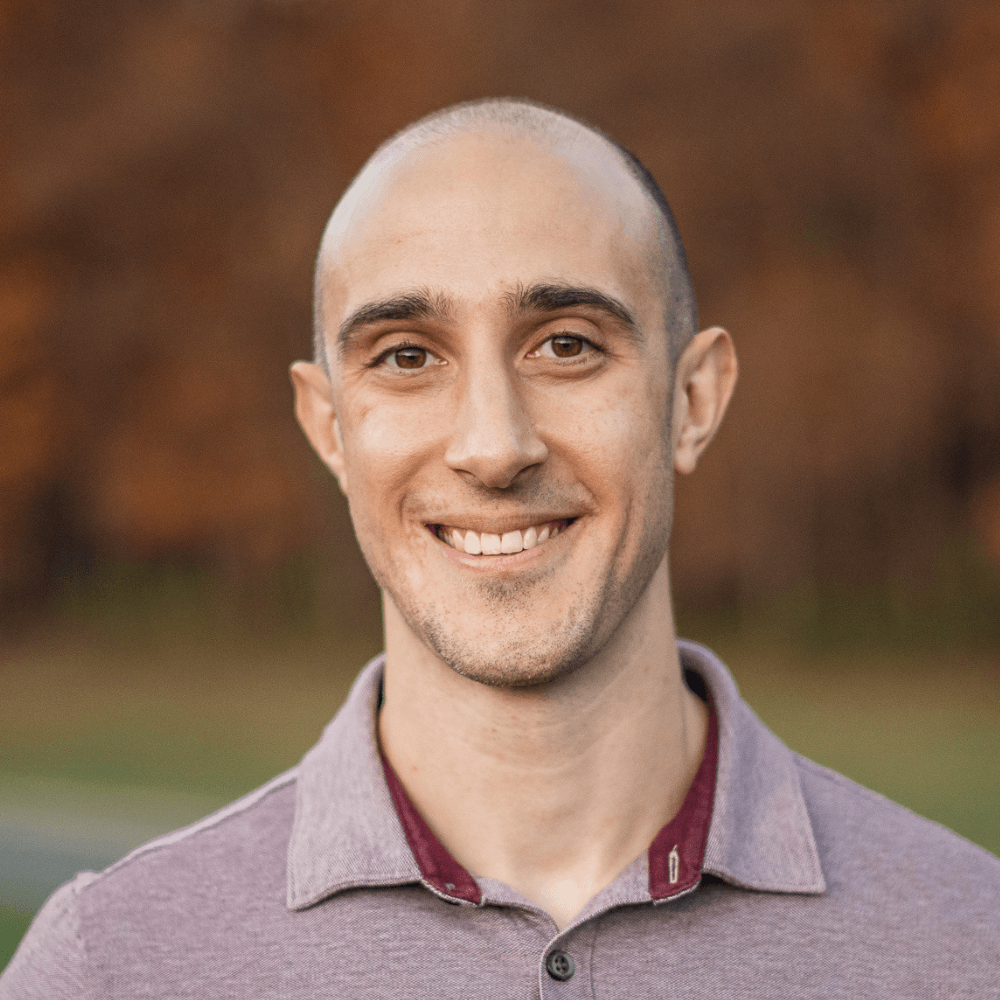
Dr. Michael Evans
Chesapeake Conservancy
Panelist: AI & Climate/Environment
Bio
Dr. Michael Evans is the Deputy Director and Lead Data Scientist in the Conservation Innovation Center at the Chesapeake Conservancy. He leads the development of new datasets and tools that make conservation more efficient and effective using GIS, remote sensing data, cloud computing, and deep learning. Previously he worked at Defenders of Wildlife to strengthen federal wildlife conservation policy, and earned a PhD from the University of Connecticut where his research helped predict the movement and distribution of black bears among human development.
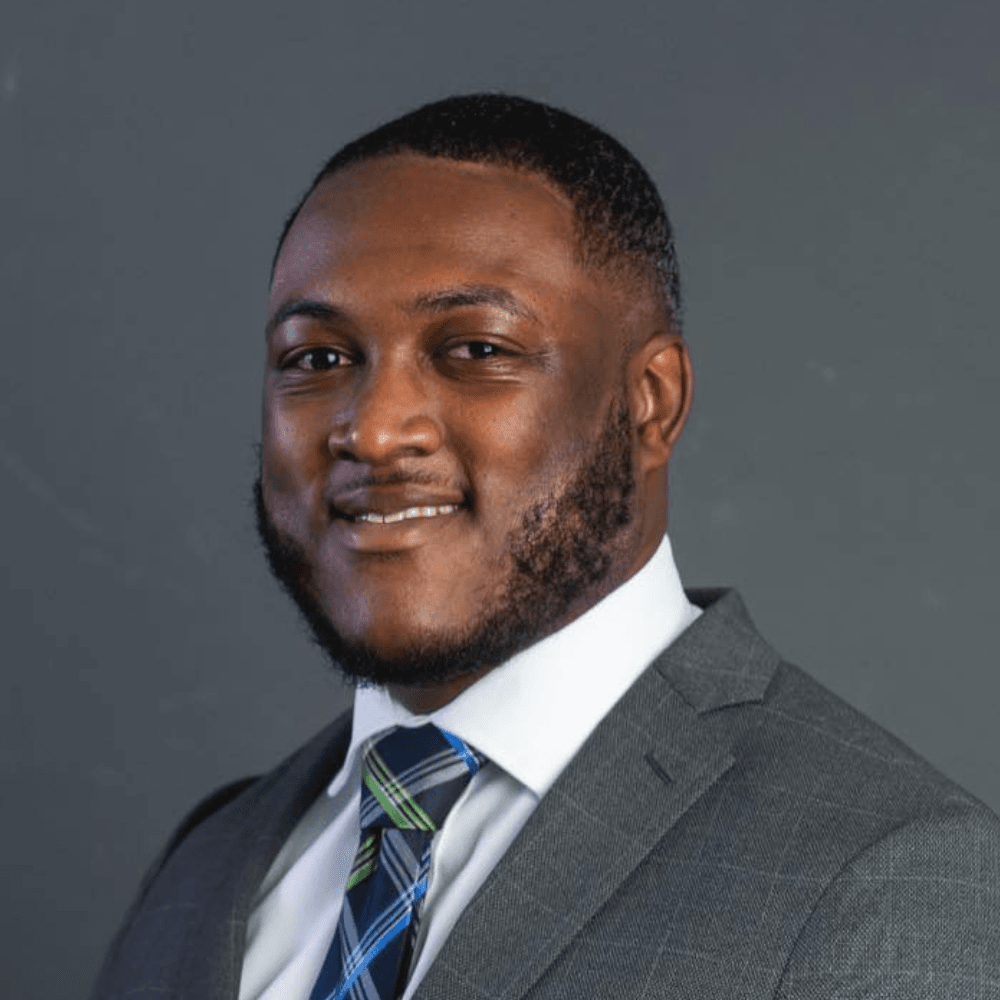
Randy Bumpers
Howard University
Moderator: AI & Higher Education/Workforce Development
Bio
Randy Bumpers is an instructional designer and AI researcher focused on the responsible adoption of emerging technologies and their implications for equity and sustainability. He serves as Director of Student Success and Learning Experience Design at the American Association of State Colleges and Universities (AASCU), where he supports regional public universities in designing data-informed strategies that strengthen student outcomes. Randy is also a doctoral student in Higher Education Leadership and Policy Studies at Howard University, where his research examines how faculty at Historically Black Colleges and Universities make sense of—and integrate—AI in teaching and institutional practice. His work bridges AI governance, digital equity, and student success innovation to help higher education harness technology in ways that are transparent, ethical, and beneficial to society.

Nathaniel Burola
The AI & Environment Research Hub
Panelist: AI & Higher Education/Workforce Development
Bio
Nathaniel is an AI & Environment Research Consultant focusing on understanding the environmental impacts of generative AI and data centers. With 5+ years of experience in climate policy and tech governance, he has curated over 2,000 resources for the AI & Environment Resource Hub open-access database. He has delivered insights across webinars, podcasts, and publications exploring both the environmental footprint of AI data center infrastructure and applications of AI in environmental science
Dr. Jeremy Blackstone
Howard University
Panelist: AI & Higher Education/Workforce Development
Bio
Jeremy Blackstone is an Assistant Professor at Howard University in the Electrical Engineering and Computer Science Department. He received his PhD in Computer Science and Engineering from University of California, San Diego and received his Bachelor’s and Master’s degree in Systems and Computer Science at Howard University. He performs research in behavioral security, hardware security, and network security working on projects developing countermeasures for ransomware, side channel attacks and denial of service attacks.
Summit Agenda
9:00am – Registration
Howard University, Interdisciplinary Research Building, Multipurpose Room
9:30am – Welcome
Introductory remarks on behalf of event organizers, the Chesapeake Bay Trust and Howard University.
9:45am – Setting the Stage
Definitions and important terminology to provide context for our conversation provided by Nathaniel Burola.
10:15am – Panel 1: AI and Earth Systems
Engage with a panel of experts as they discuss balancing the use of AI with environmental impacts. Panel discussion to be followed by an opportunity for Q&A and conversation.
Discussion Questions
- How do you think AI reshaping climate activism, conservation science, and environmental decision-making—and what ethical frameworks are needed to ensure AI-driven solutions support equity, transparency, and long-term sustainability?
- AI tools have a variety of beneficial applications and its use is becoming increasingly ubiquitous, however, as we heard the energy, water, and land use costs of data centers necessary to power AI cause detrimental environmental impacts. Do you think there is an ethical, and realistic, way of leveraging the benefits of AI taking these negative impacts into consideration?
- What role do you think the government should play in creating policies that govern AI infrastructure and use at the Federal / State / Local level? Depending on the role, what policies do you think should be in place or aspects of its use (infrastructure / AI) should legislators take into consideration when creating or enacting those policies?
11:30am – Lunch
Lunch and Refreshments Provided
12:00pm – Keynote from Dr. Talitha Washington
There Is No AI Without Energy and No Future Without the Earth
12:30pm – Panel 2: AI, Higher Education, and Career Readiness
Hear from a panel of experts as they answer questions focused on exploring the implication of AI in Higher Education and career pathways. Panel discussion to be followed by an opportunity for Q&A and conversation.
Discussion Questions
- Can higher education institutions integrate AI into climate and environmental research and workforce training in ways that are ethical, inclusive, and aligned with real-world sustainability and labor market needs?
- What is higher education’s responsibility in the climate and sustainability landscape related to AI?
- Environmental justice asks: “Who benefits and who bears the burden?” How should higher education institutions apply that lens to sustainability decisions and decisions around AI? How do we ensure consent and shared value?
1:30pm – Recap & Reflection
An opportunity to engage in reflection on the messages, themes, and information discussed during the Summit.
Discussion Questions
- What is one significant insights or lesson you are taking away from today’s discussions on the intersection of AI, climate change, and environmental sustainability?
- What is one actionable step you think can you or your organization take to address the environmental and climate impacts of AI technologies? How will you implement this step in your work or community?
- How do you think the stakeholders represented here can better collaborate to address the challenges and opportunities of AI in the context of climate and environmental sustainability?
- What is one strategy or approach that was discussed today can help ensure that AI is developed and implemented in an ethical, equitable, and environmentally sustainable way?
- Looking ahead, what is one critical area for research, policy development, or community engagement to ensure AI supports a sustainable and just future?
2:00pm – Career Fair
Network with representatives from environmentally-focused employers in the region.
Thank you to our sponsor Lumina Foundation!

Summit Career Reps
Click on the logos below to learn more!


The opinions and views expressed by panelists and speakers at this event are their own and do not necessarily reflect the positions, policies, or attitudes of the Chesapeake Bay Trust, Howard University, or Lumina Foundation.